
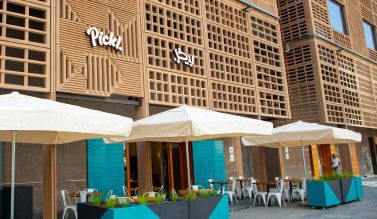
In the modern dining world, even the simple menu presents a choice. Do you hand guests a physical piece of paper or direct them to a screen? Each format has its own strengths and can shape the customer experience. The right answer depends on your goals, your guests, and your style of service. For a spot like Pickl JLT, considering this balance is key to smooth operations and happy diners.
Cost and updates:
Printed menus have a high upfront cost for design and printing. Making a change means paying to reprint every single menu. Digital menus are cheaper to launch and update. You can change a price, add a special, or fix a typo in minutes without any physical waste.
Customer perception:
A well-made printed menu feels solid and permanent. It suggests tradition and can be part of the restaurant’s atmosphere. A digital menu feels modern and efficient. However, if a website is slow or a QR code is hard to scan, it can cause frustration before the meal even starts.
Ordering speed:
Digital menus can speed up service. Guests can browse on their own phone as soon as they sit. Orders can go straight to the kitchen, reducing wait time. Printed menus require a server to hand them out and later take the order, which adds steps but allows for personal interaction.
Visual appeal:
Printed menus offer tactile beauty. High quality paper, embossing, and professional photography create a lasting impression. Digital menus can use motion, like videos of a sizzling dish or an animated ingredient highlight, which static paper simply cannot do.
Hygiene and access:
A digital menu accessed on a personal phone is inherently clean. It removes the need to handle a shared object. It also allows for easy access to extra information, like allergen details or ingredient sources, without cluttering the main view. Printed menus are shared items that need regular cleaning.
Practical reliability:
A printed menu never crashes. It does not need Wi-Fi or battery power. It works for every guest, regardless of their comfort with technology. Digital tools rely on a strong internet connection and assume all customers have a capable device, which can sometimes be a barrier.
There is no single best answer. Many successful restaurants use both. A short, elegant printed menu can provide a classic feel, while QR codes link to a full digital version for details and updates. This hybrid approach offers something for everyone. Think about your guests and what makes their visit easier and more enjoyable. The best menu is the one that works for your restaurant.

